It would make engineering simpler if all water traveled at the same speed.
It’s not.
Wastewater entering a residential system could vary over the course of the day. Industrial and commercial facilities can encounter peak operating times. Stormwater conditions can dramatically change depending on the weather. Demand for clean-water also increases and decreases based on the application.
When designing a pump station, it is not just about selecting the equipment that can provide a certain flow. Engineers need to know the possible conditions in which the system can be utilized.
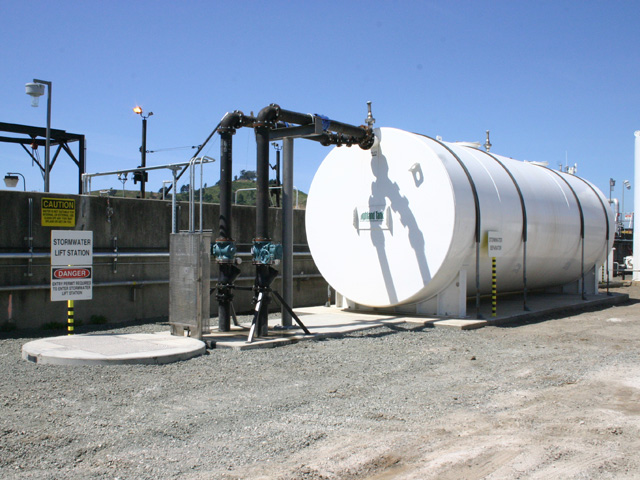
Image credit: romtecutilities.com
Take into consideration the operating conditions and not only the maximum Capacity
It is obvious that maximum flow is a crucial factor however it is only one aspect of the operations of an infrastructure. Suppose a wastewater system is built to support a maximum flow. For the most part the flow coming in is lower. In normal operating hours, the station should still be functioning properly.
This introduces questions about wet-well size, pump operation, head conditions, controls, and how the equipment performs when demand changes.
A properly designed package pumping system brings these considerations in line with the requirements of the site instead of using the highest capacity of the pump as the entire design objective.
The cycle of water that runs throughout the day
A wastewater lift station serving homes, businesses, or municipal infrastructure may experience changing influent conditions throughout its operating cycle.
The station’s control strategies will decide how the station collects wastewater and operates its pumps. Dimensions of the structure, pumping equipment, valves, electrical components, piping and controls play a role in that process.
Design can also include additional considerations specific to the site. Romtec Utilities will incorporate any extra systems, including grinders, vaults and odor control devices in the event of need. The result is a system built around the needs of the project, rather than a generic configuration applied to every wastewater site.
Stormwater is able to change significantly faster
Stormwater is a totally different type of operation. In dry weather it is possible that a stormwater lift facility may not see much use. But during the most severe storms, the station could see a significant increase in the amount of activity. The station could be a part of a comprehensive flood-control plan or be a treatment, detention or drainage plan.
Romtec Utilities takes into consideration factors such as the flow rate that is required, the head conditions, the size of the system as well as the requirements of the location and environmental considerations when designing these systems.
Stations serving commercial developments may be very different from those designed for municipal stormwater applications.
The Head Conditions are crucial. along with Flow
The issue of transporting 1,000 gallons is not the only engineering problem. Engineers need to be aware of where the water is going to go and what kind of resistance they will have to overcome with the pumping system.
Pumps are able to operate at different levels of head based on the design of the system, such as the piping and discharge conditions, for example.
This connection between head and flow is another reason that choosing an appropriate pump solely based on its rating is not enough. Pump technology and station layout must match the hydraulic requirements of the application.
Plan the station in the conditions it is likely to be exposed to
Romtec Utilities develops customized pumping systems for stormwater, wastewater and clean water boosters, industrial, and other purposes. The process can include budgeting and preliminary design including complete plans, system supplies, documentation and start-up testing and commissioning.
The fundamental concept of engineering is that a genuine pumping systems can’t function under a single set of conditions.
They encounter changes in flows, demands, and project-specific hydraulic requirements. It is important to develop a station to deal with this situation.