A company is awarded a large contract. Even though the production needs for each month have increased, the facility doesn’t suddenly have more flooring or experienced workers. Adding another shift might help temporarily, but it could create new labor and training, supervision, and quality-control regulations.
These circumstances reveal an significant reason to use robotics automation. Robotics does not only replace people with machines. The right application can transform how manufacturers use their production capacity.
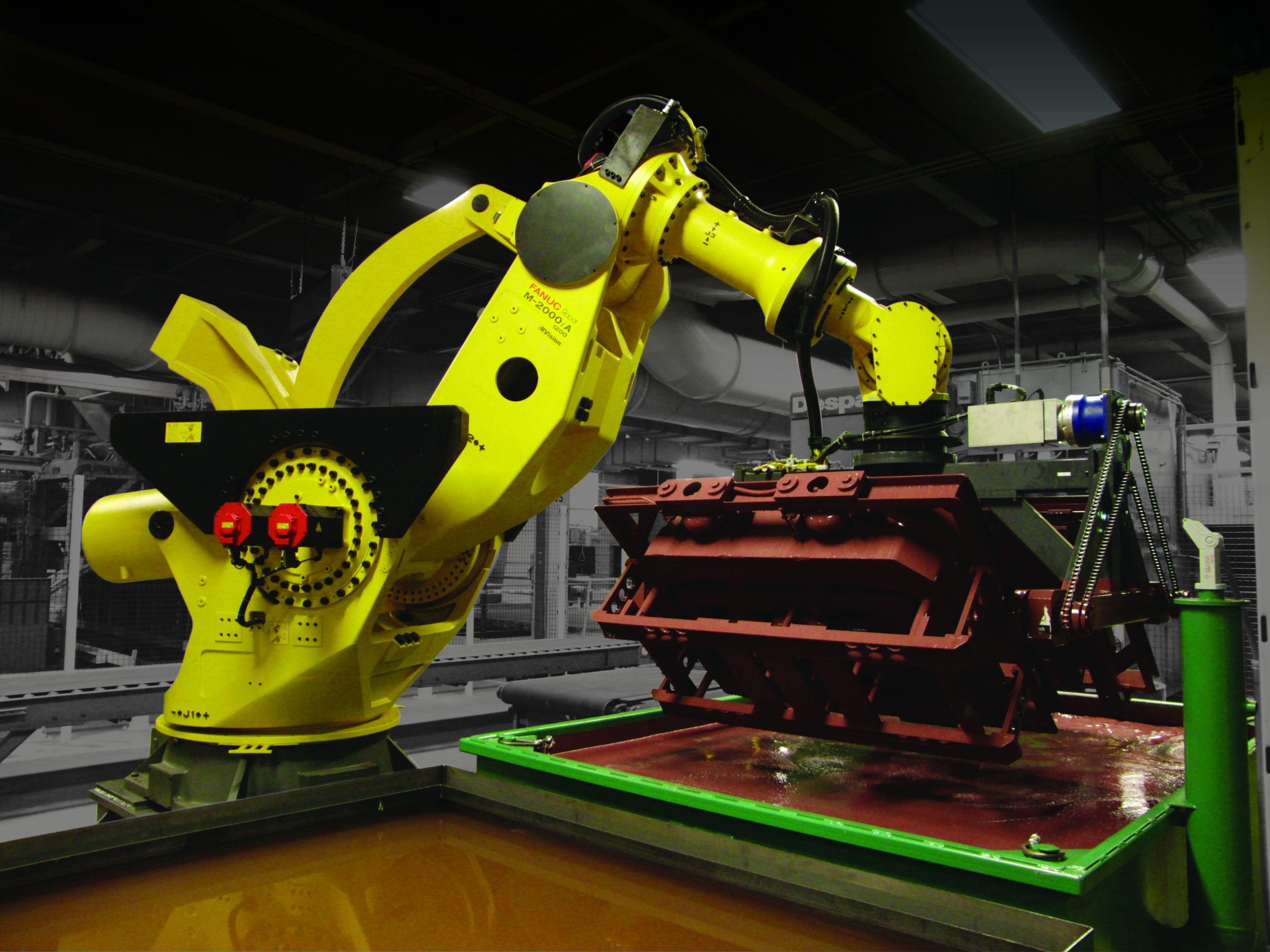
Image credit: automatedsolutions.com.au
Have a look at the amount of time that is lost between the products
Inefficient manufacturing isn’t always apparent. Imagine that an operator has spent 15 seconds arranging a part and then 10 seconds putting it in the material, and a few seconds to transfer it onto the next task. On one piece it’s not much of a difference. These seconds add up when multiplied by thousands.
The same applies to wasted material. A tiny amount of leftover coating or dispensing material multiplied across a high-volume production run can become a meaningful expense.
Companies considering robotic automation Australia projects can benefit from examining these small, repeated losses before deciding what equipment they need. ASA’s analysis of needs is designed to pinpoint problems with quality and bottlenecks as also the waste that can be a problem in a plan.
The robot needs to be able to accommodate the system around it.
The selection of a robot is a single decision in engineering. It could be necessary to add tooling, guarding and controls, sensors, conveyers, fixtures, electrical integration, and communication with the current production equipment. Engineers should consider the reach of the robot and its payload, as well as how it interact with its surroundings and move about.
ASA provides conceptual development, system design, CAD simulation and offline programming as part of its approach to FANUC robotic automation. Digital simulation allows engineers to examine configurations and estimate the cycle times before the completed system is operational on the customer’s factory floor. This is particularly beneficial when space is limited or when new robotics need to be integrated into an existing production line.
Painting and Dispensing demonstrate why Repeatability Matters
Certain manufacturing processes highlight the importance of controlled movements. Imagine coating hundreds, or thousands of parts. The ability to finish components in a short time is what you want to achieve. The movement, distance, speed, and application need to remain controlled starting from the beginning of the production process until the final.
ASA is a team of experts working with dispensing applications and paint across various industries, such as aeronautics, automotive and aerospace. In these settings, industrial robotic automation allows for regular, programmatic movements and reduces exposure of employees to physically challenging or potentially dangerous processes.
Better control of the waste material can also help improve productivity by cutting down on the amount of waste material consumed.
The System Needs People Even After Installation
Automation doesn’t eliminate the need for manufacturing expertise. Automation transforms the skills required to operate and maintain the process.
Employees should be able to detect abnormal behavior and identify problems, as well as carry out the correct maintenance. Production requirements can change, meaning the processes and programs could require adjustment later.
ASA offers on-site training that covers programming, safety as well as troubleshooting techniques and mechanical and electrical maintenance. The company provides continuous maintenance and servicing to ensure that equipment is in top order and wear and tear issues are addressed.
Capacity goes beyond just getting faster work done
In Australia, expanding production capacity doesn’t always mean adding workers to repetitive tasks or purchasing larger structures. The better question to ask is whether the current manufacturing process is able to be improved.
ASA has been developing and integrating automation systems in Australia since 2002. We also help with projects across the world. Its approach connects needs analysis with engineering, simulation, FANUC robot integration Training, and servicing.
The goal isn’t to automate for its own sake. A good system will give an industry a tangible return more dependable production and quality, as well as safer processes, lower waste or more capacity from the facility it operates.