If you’ve ever been asked to undergo an MRI scan, CT scan or X-ray by your doctor You might be asking why this particular procedure was recommended. Each of them takes photos of the inside of your body. Why shouldn’t they be interchangeable?
Diagnostic imaging today is more like tools in a toolbox. Different technologies provide information in a different way and the best technique to employ depends on the area of the body being examined as well as the issue that must be answered. In the Wolfsburg Diagnostics center there are a variety of imaging techniques are readily available to meet various demands for diagnosing.
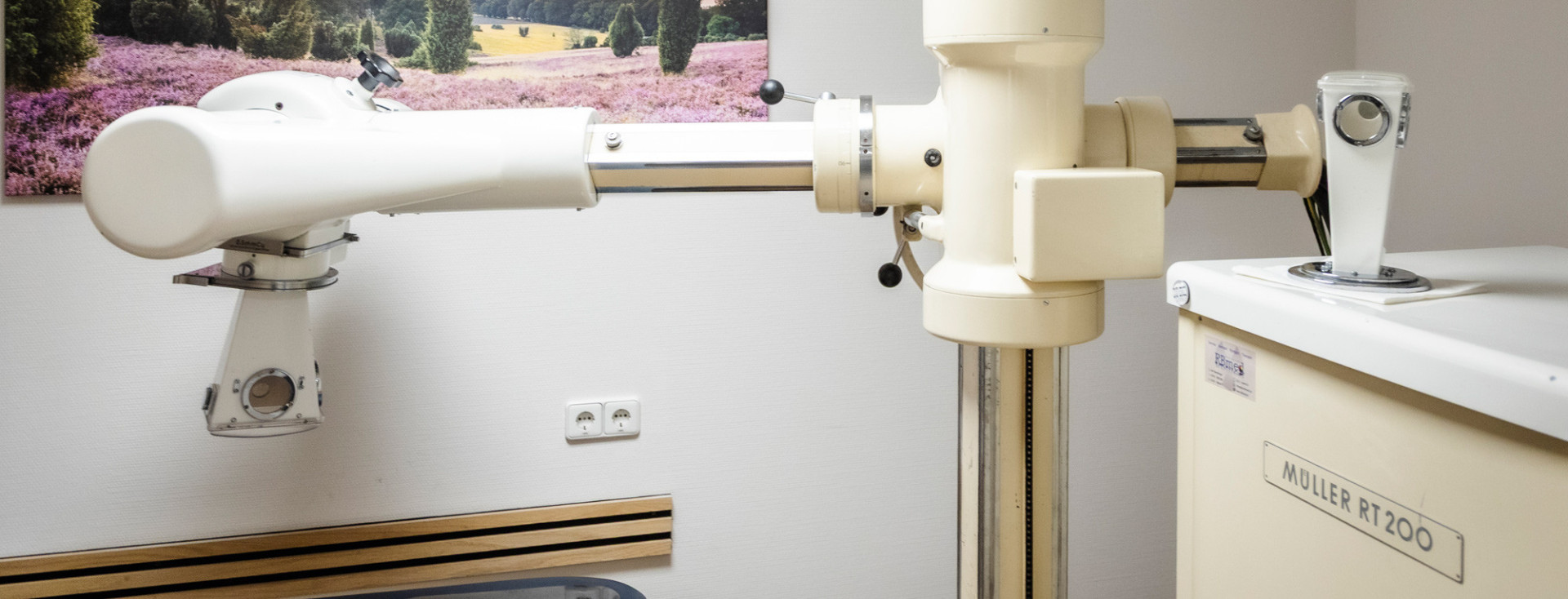
Image credit: diagnostikzentrum-wolfsburg.de
MRI Looks at the Body With No Ionizing Radiation
Magnetic resonance imaging (MRI), also known as MRI makes use of magnetic fields and radiofrequency technology rather than ionizing radiation to produce detailed images. MRI can be used to see soft tissue, joints, organs as well as various internal structures. For instance the patient with joint issues might require information not readily available through an Xray.
The Wolfsburg Diagnostic Center also provides specific prostate MRI and whole-body MRI examinations. These programs make use of MRI’s ability to produce high-quality images, without exposing patients to radiation from ionizing sources.
CT provides precise cross sectional views
The way that computed tomography employs imaging is different. The CT exam uses X-rays as well as computer processing to produce detailed cross-sectional images of your body. CT produces a slice-by-slice image of the internal anatomy providing doctors with a different method to resolve certain medical issues. For more information, click here röntgenreizbestrahlung in der nähe
The center makes use of modern low-dose CT techniques that are designed to reduce radiation exposure as well as obtain required diagnostic information. CT imaging is also helpful with treatment. Periradicular treatment, also known as PRT is a specific injection therapy that uses CT guidance.
The X-ray is a common device that has an important role to play
The advancement of technology doesn’t make conventional radiography obsolete. Digital X-ray diagnostics provide images quickly and remain useful for many examinations, particularly when physicians need to evaluate bone structures like bones. Modern digital systems are also able to work with less radiation when compared to older methods.
Sometimes the most sophisticated examination isn’t always the most suitable one. It is more important to choose technology that best answers the questions of the clinical exam rather than the latest equipment.
Breast Imaging Technology Has its Particularized Technology
Mammography has been specifically developed for breast-related diagnostics. Wolfsburg Diagnostic Center offers 3D mammography in addition traditional mammography. It’s also known as tomosynthesis. This technology produces multiple images that can be reconfigured to create a layered image of breast tissue. It is essential to employ specialized imaging because different parts of the body present different issues for diagnostics.
The old image could transform into a more valuable
A scan today can provide vital information regarding your body. A previous exam can be equally useful: the comparison.
Medical professionals can analyze the modifications in the past if they have access to older images and medical findings. This is more reliable than simply interpreting an examination only. Patients are advised to bring their previous imaging and medical findings to appointments.
It is more beneficial for patients to understand the technology as soon as they’re ready to use it.
The Wolfsburg Diagnostic Center combines CTs, MRIs X rays, 3D Mammography and image guided treatment with an emphasis placed on clear communication and streamlined medical care.
The center gives patients precise explanations regarding the exams as well as medical procedures. Educational videos are also available. A consistent schedule, brief waiting periods and a focused approach are all part of the philosophy of the center. Modern diagnostic medicine is dependent on the latest technology. However scanning should not seem like a complicated procedure which isn’t fully described.
Knowing why a particular examination was selected and what is expected can help patients be more informed and make the latest medical technology more understandable.