Imagine the apps that you have on your smartphone. Think about the apps you use every day without even realizing the habit loop triggers. Your thumb just knows what to do. Behind that effortless, second-nature interaction lies a massive amount of intentional human psychology as well as a surprisingly technical engineering. Digital friction is a zero-tolerance rule among the modern day users. A mobile screen which lags, is slow to load when connected to weak connections or is not notified of a problem will be deleted in minutes. For funded founders and growth-oriented enterprises, the stakes could not be higher. Launching a digital product that succeeds requires more than a sleek surface or an attractive landing page. It is vital to have an agreement with a top mobile app developer who can engineer human retention in the very initial stages of production.
Navigating the Constantly shifting Ecosystem Rules
Mobile engineering is more complicated than web development in general because you’re essentially working on shifting sand. Apple releases a new version of its operating system each autumn. This update includes stricter privacy statements, the phasing out of old code, and revisions to app store reviews protocols. Google is able to set its own timeline. It continually alters the way notifications function and the way background processes impact phone battery. Your product may break if your team is not focussed on the ever-changing guidelines. This will result in poor reviews and broken features. Companies must employ mobile app development teams that view their work as not just an individual coding session, but as an ongoing process. Release engineering is an ongoing process that guarantees that the automated shipping pipelines remain in operation and secure throughout every operating system update.
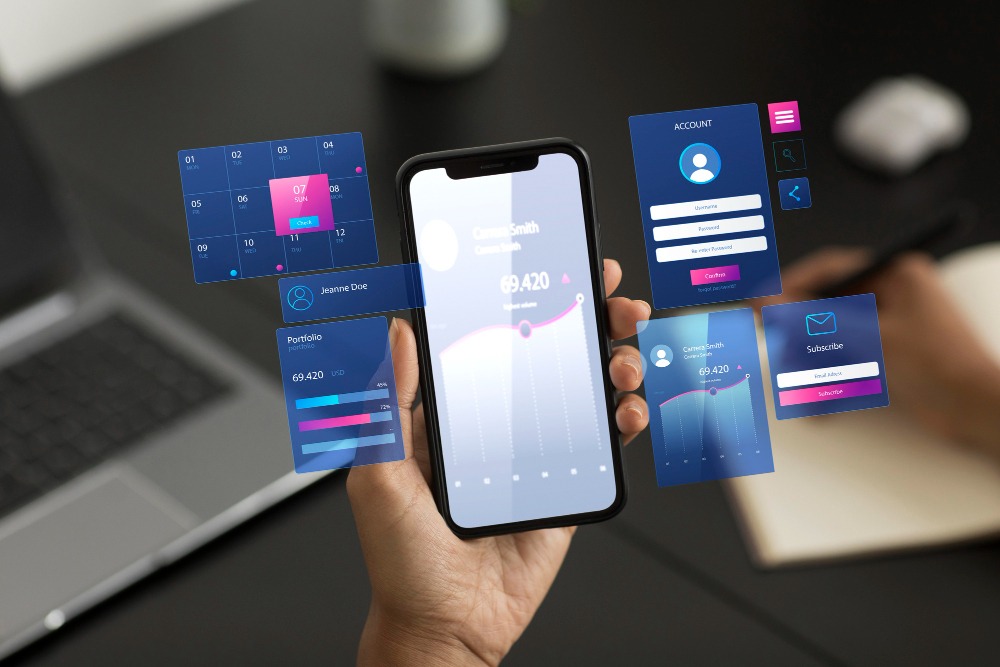
The Native Experiences at the Crossroads
In the process of defining a mobile plan, it’s inevitable that product creators will reach an important crossroads. They will need to determine how code interacts with physical hardware. Selecting specific iOS app development tools gives teams unrestricted access to Apple’s most current native frameworks, allowing for butter-smooth animations and deep connection to special features like HealthKit or biometric security. On the other side of the landscape, investing in targeted Android app development services ensures your app is built to handle the incredible variety of screen sizes and processing capacities found across the global device market. Native architecture is the absolute top-of-the-line for business models that depend on heavy device access like using low-latency Bluetooth accessories, tracking precise real-time locations and offering seamless checkout processes using native billing systems.
Cross-Platform Engineering speeds up production timeframes
For many fast-growing organizations, funding constraints and competitive pressures mean that launching across two different operating systems at once will put enormous stress on resources. Selecting an exceptional cross-platform app development strategy solves this problem through allowing a united development team to create, test, and maintain an identical codebase that works beautifully on both platforms. This hybrid strategy allows companies to receive real-time feedback from customers for a minimal cost. This can also cut down the usual launch timeframe by months. Brands can design extremely stylized and precise user interfaces by choosing an app developer who has a specialization in this technology. This ensures visual consistency across all devices. This cross-platform approach, is backed by robust background data syncing and automated testing, provides the ideal balance of speedy market entry and high performance execution.
Inspiring long-term sustainable user engagement
A successful mobile launch is judged through long-term sustainable users’ habits, not just short-term download spikes. The most effective mobile platforms integrate the most important triggers for behavior directly into the stack of technology. This makes sure that the onboarding process delivers value within the first sixty second, the local data caches automatically during sudden drops in connectivity and the notification system focuses the user’s attention. Whether your team is aiming to create an agile and viable product to demonstrate your market fit or are setting up a massive enterprise application that demands strict data compliance The primary goal is the same. Digital Heroes will help you create a robust digital asset by committing to a pattern of engineering that is organized and predictable while respecting the users’ time and device performance.